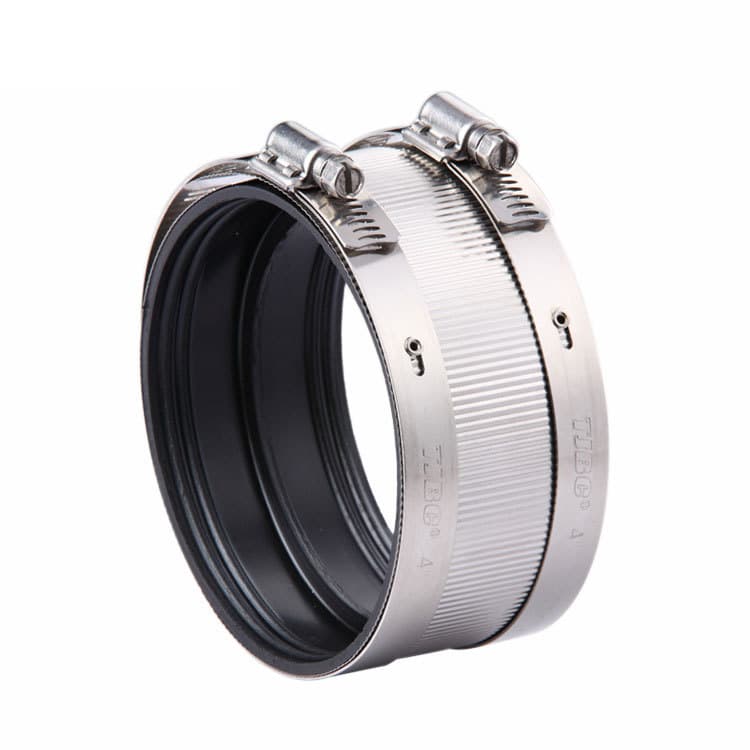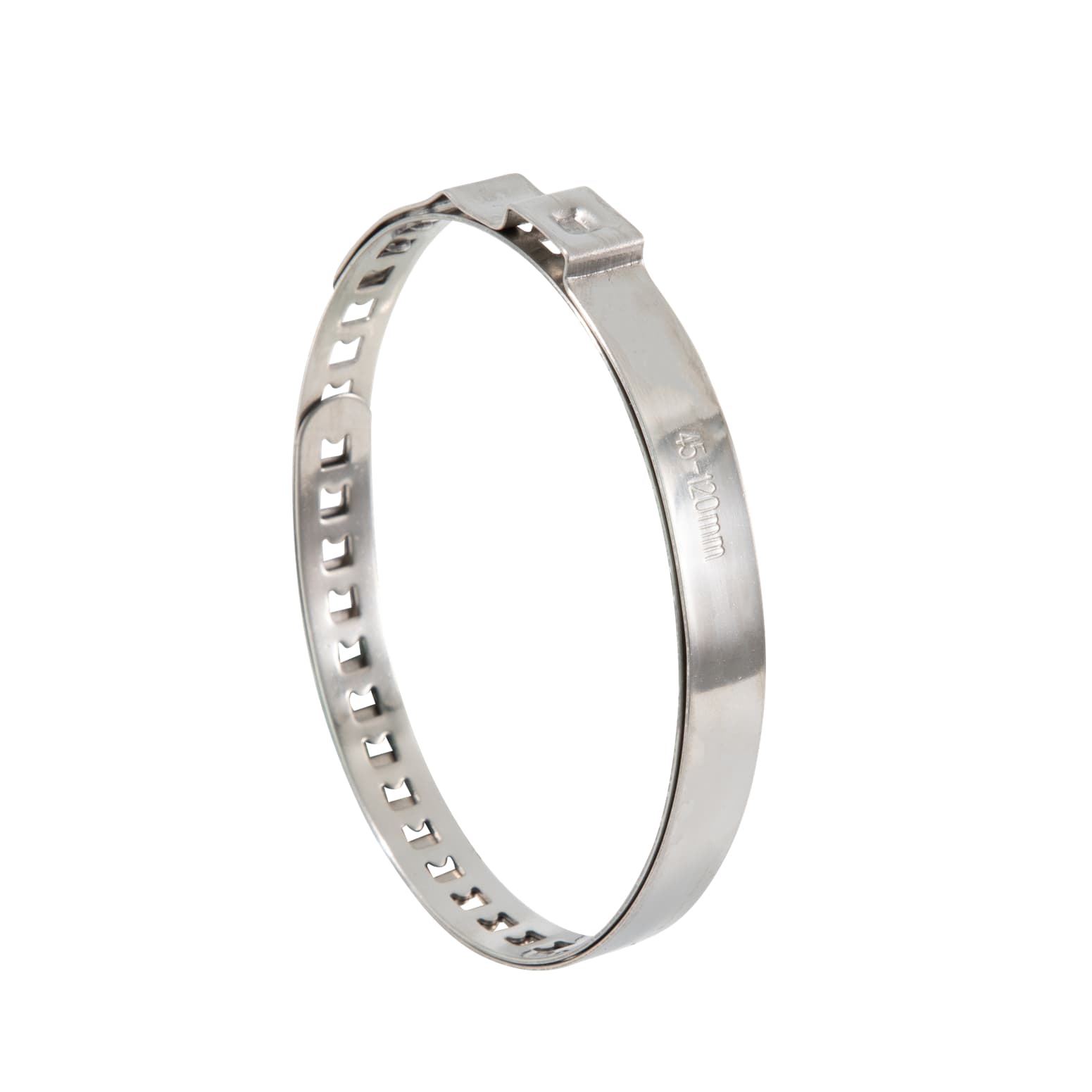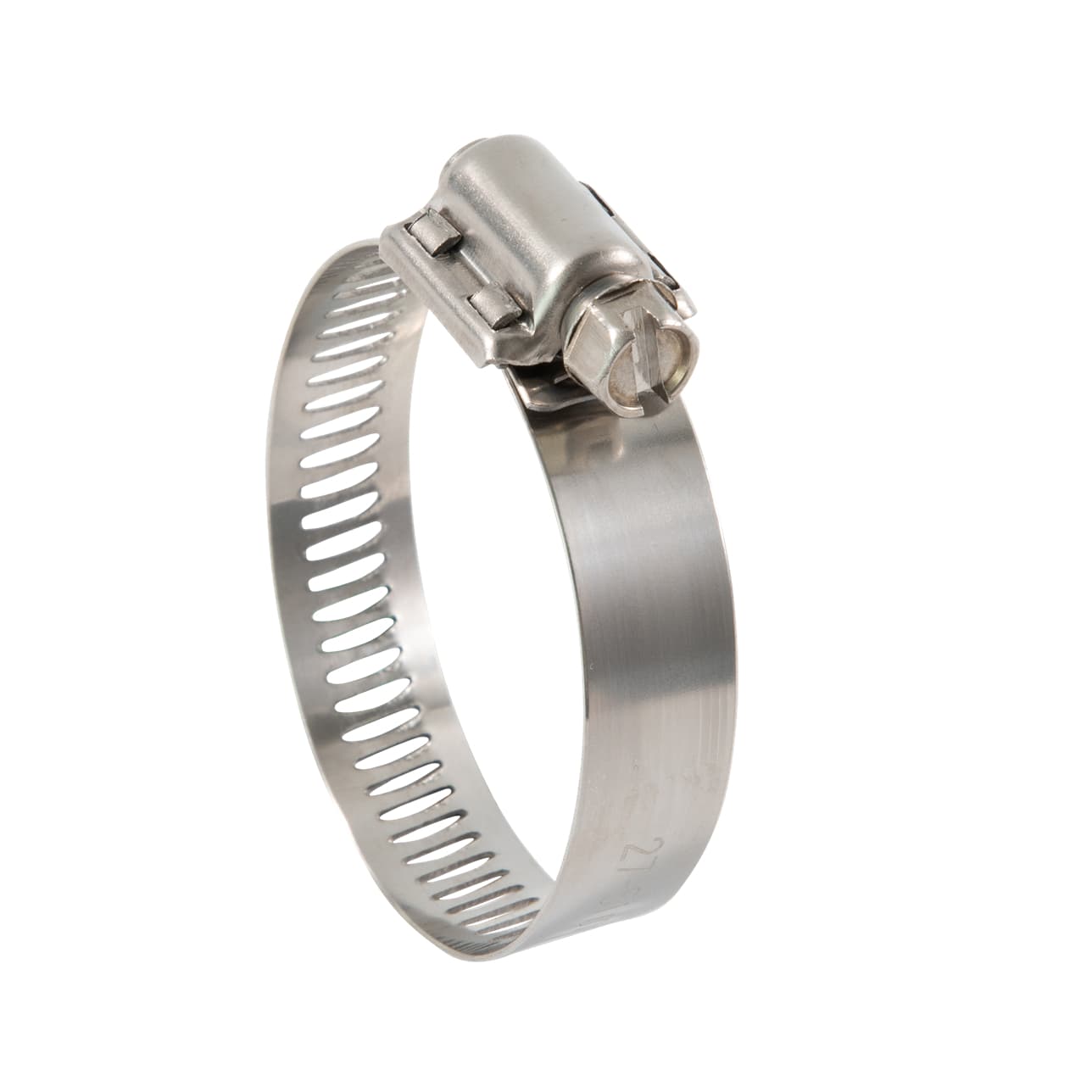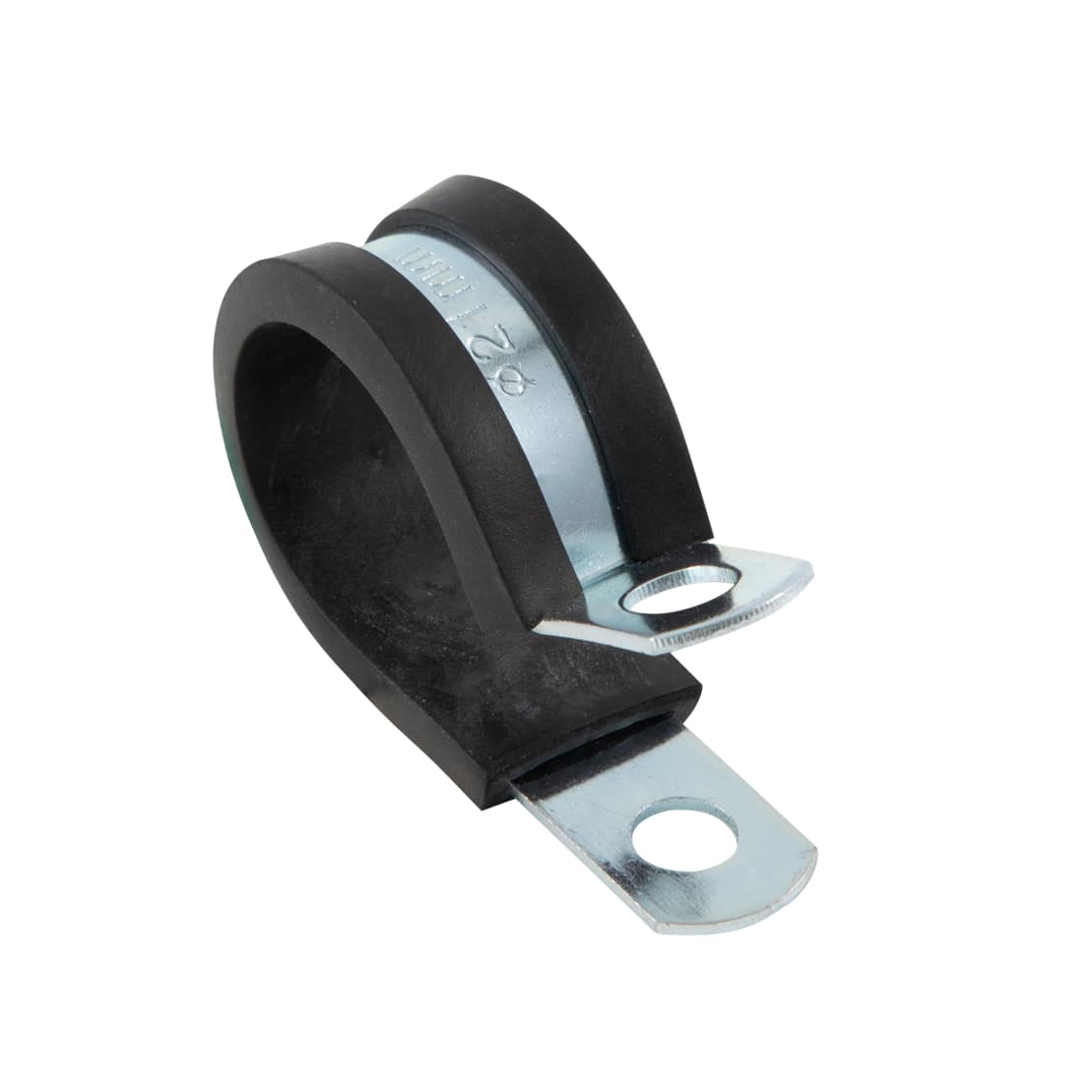
Overview
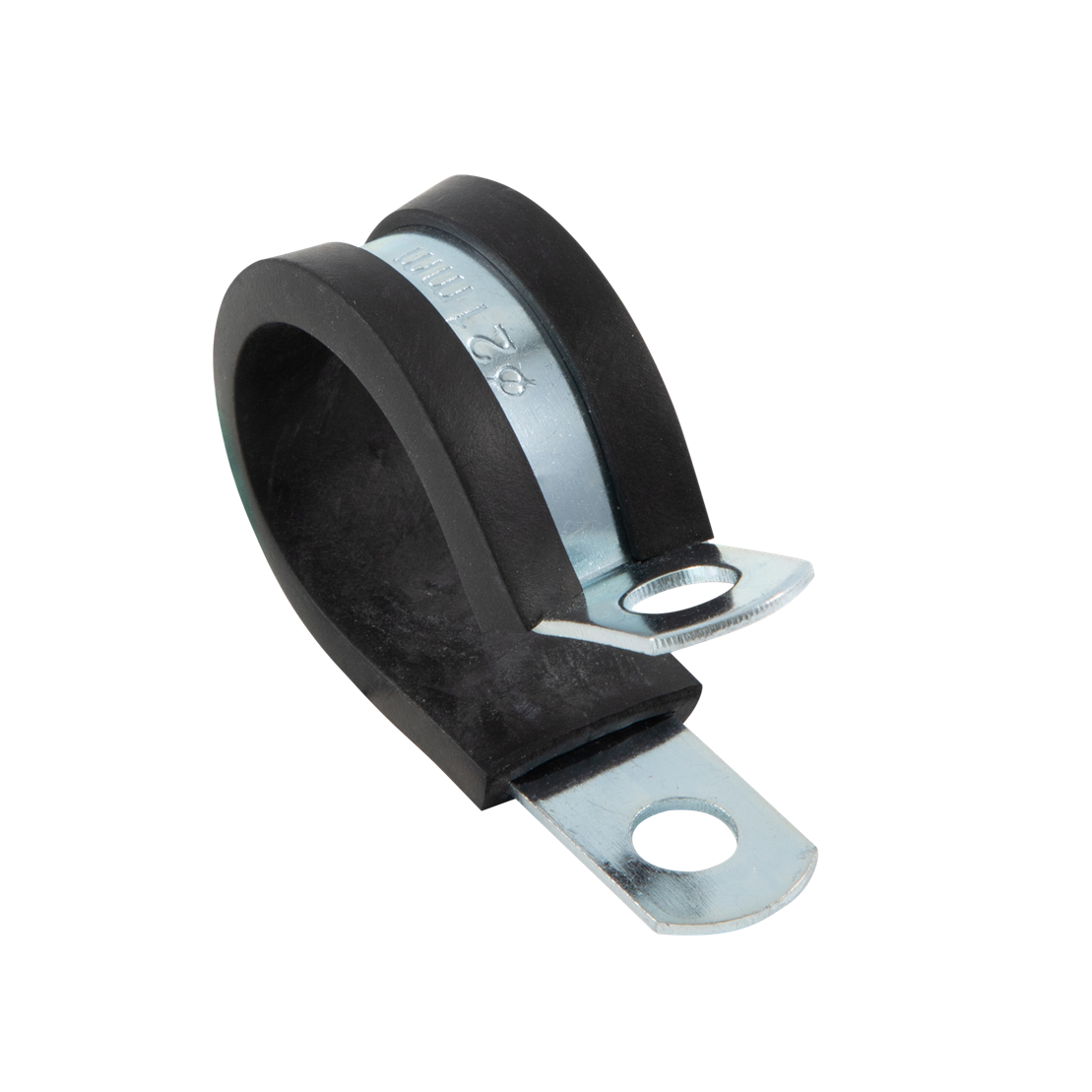
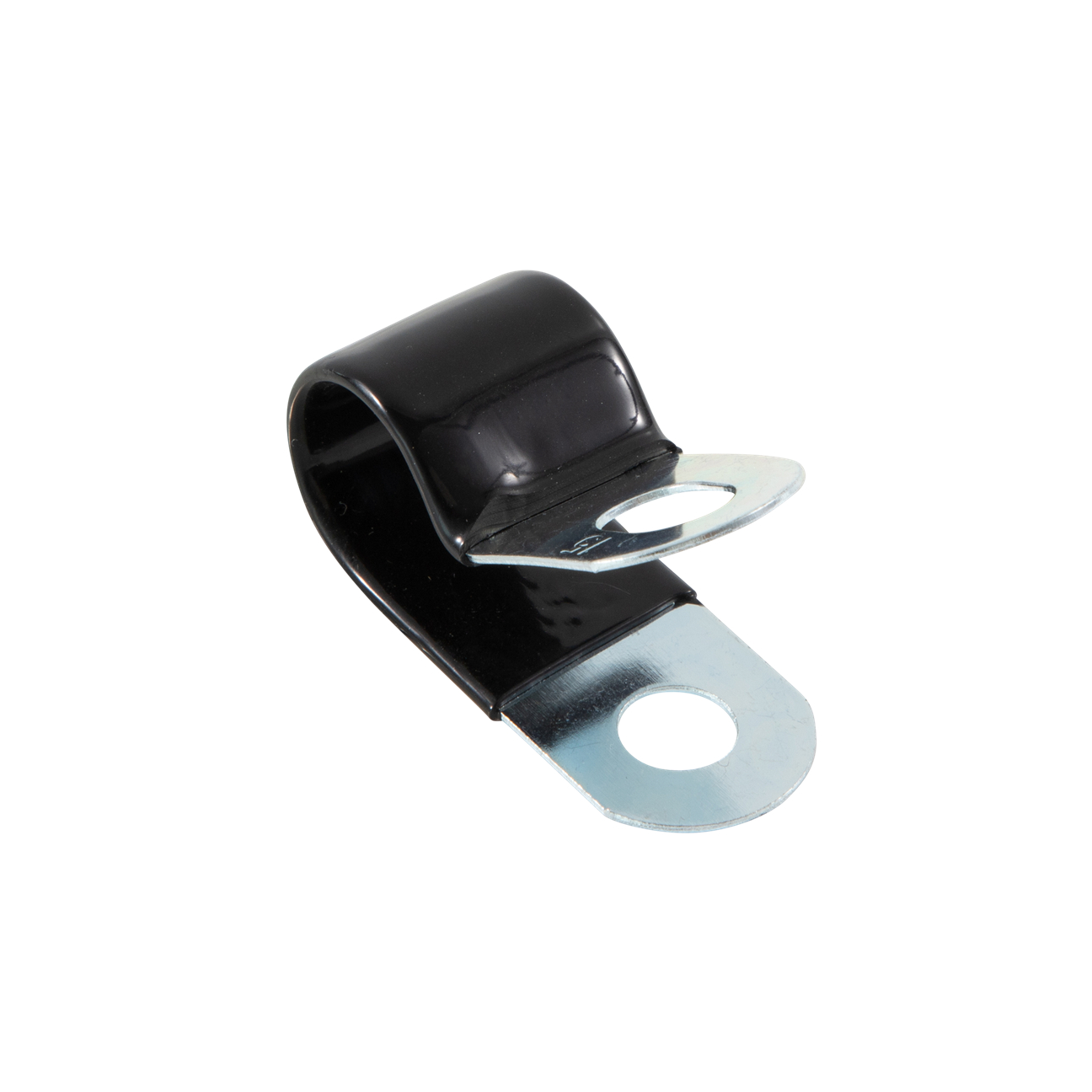
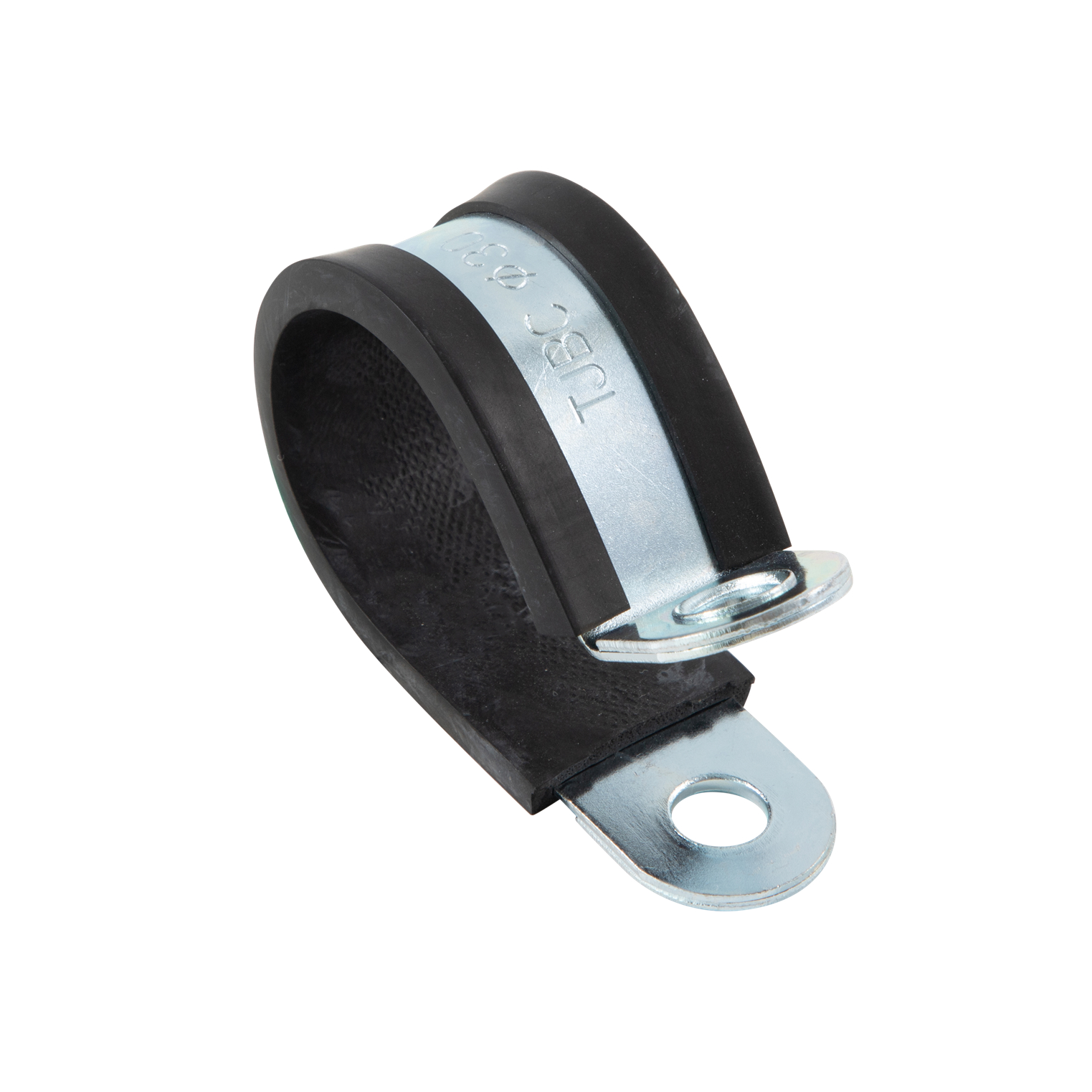
Rubber Strip is used when a clamp or support point needs a softer contact surface. In automotive assembly, it is commonly selected for wire harness fixing, cable routing, and protecting hoses or nearby parts from direct metal-to-metal contact.
For search terms such as rubber hose clamp, rubber strip clamp, or rubber cushioned clamp, buyers should first confirm the real job: if the purpose is to support and protect a hose, wire harness, or cable, rubber strip is a practical material choice. If the purpose is to seal a rubber hose onto a fitting, a worm gear, German style, T-bolt, or heavy duty hose clamp should be selected instead.
Product Images
Key Features
- Cushioned surface for automotive wire harness fixing and cable support
- Helps reduce rubbing, noise, and surface damage around hoses, cables, and protected components
- Suitable for custom clamp assemblies, maintenance kits, and OEM supply
- Can support projects where buyers describe the need as a rubber hose clamp or rubber-lined clamp
- Available for sourcing, inquiry, and custom project requirements
Rubber Hose Clamp Selection Note
Rubber Strip is not a sealing clamp by itself. It works best as a cushioning and protection material. For sealing rubber hose connections, choose the hose clamp type according to pressure, vibration, diameter, and environment. For residential pipe support, see A Type Pipe Clamp Band Support.
Specification Reference
Detailed specification tables are being organized. Contact us for dimensions, materials, packing, and model selection support.
Applications
- Automotive wire harness fixing
- Cable routing and component protection
- Hose surface protection where cushioning is required
- Custom rubber-lined or cushioned clamp assemblies
- Maintenance, OEM assembly, and project procurement