Stainless Steel Hose Clamps: 304, 316, W1/W2/W4/W5 Material and Application Guide
A sourcing and selection guide for stainless steel hose clamps, explaining W1, W2, W4, W5 material grades, 304 vs 316 stainless steel, and how to choose German, American, and heavy duty hose clamp types.
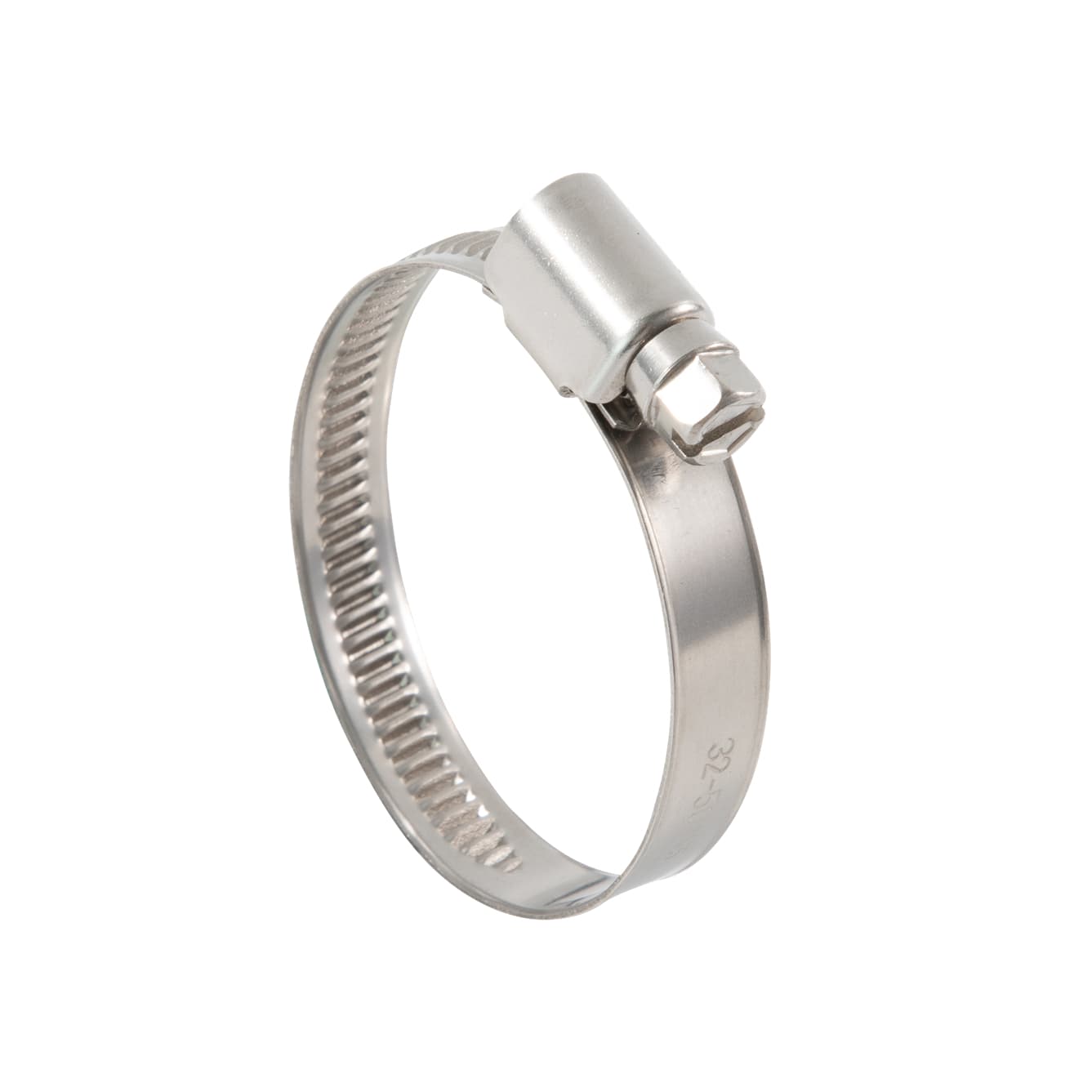
Stainless steel hose clamps are widely used to fasten and seal hoses, pipe connections, fittings, and equipment interfaces. People searching for stainless steel hose clamp usually need more than a basic definition. They want to know whether 304 or 316 is the better choice, whether a galvanized clamp is enough, and which clamp structure works best for automotive, plumbing, pool, marine, or industrial use.
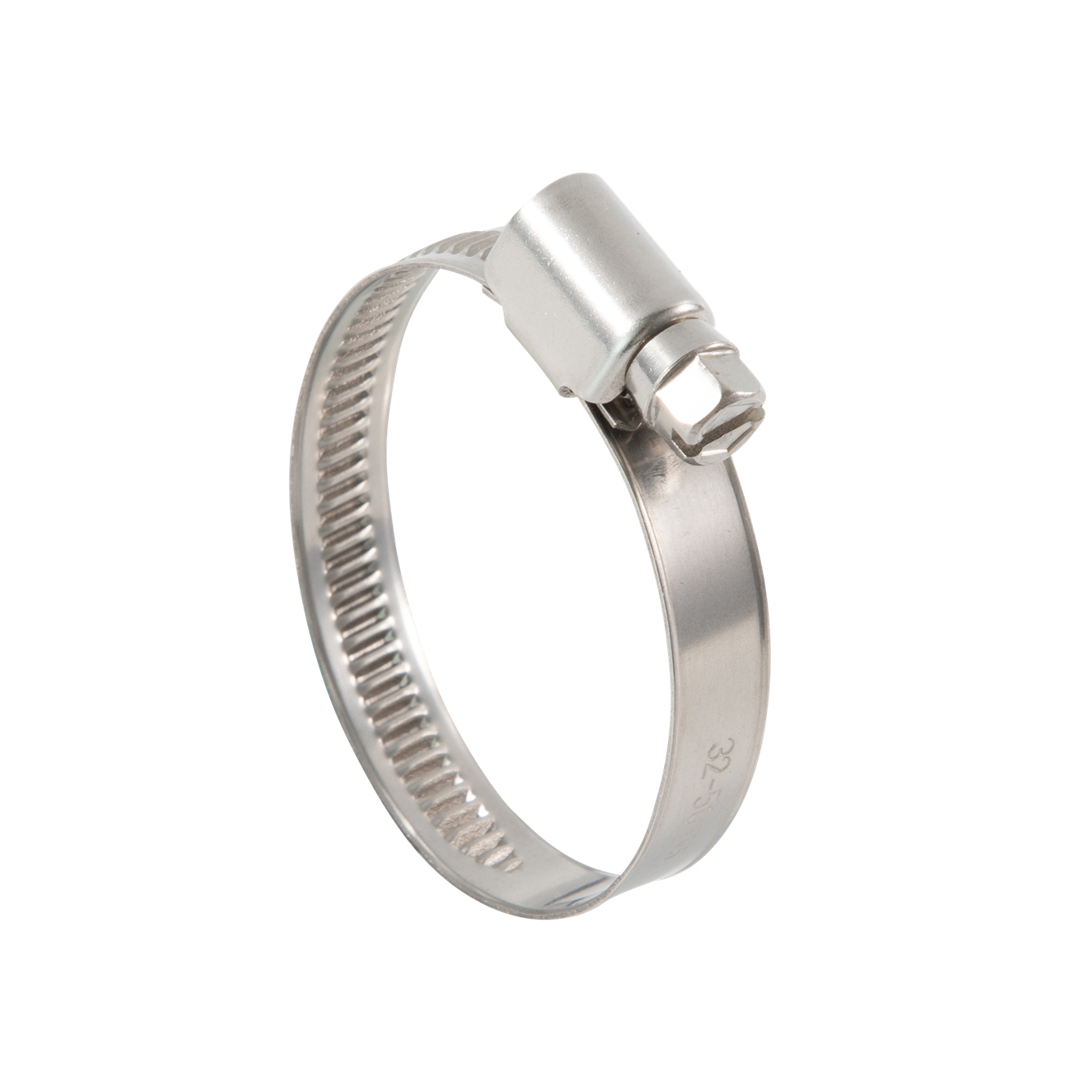
How to understand W1 / W2 / W4 / W5 material grades
Hose clamp materials are often described with W1, W2, W4, and W5 grades. Naming may vary slightly between manufacturers, so buyers should confirm the band, housing, and screw material instead of relying only on the grade name.
| Material grade | Band | Housing | Screw | Suitable applications |
|---|---|---|---|---|
| W1 | Zinc plated steel | Zinc plated steel | Zinc plated steel | Dry indoor use, temporary fastening, cost-sensitive projects |
| W2 | Stainless steel or partial stainless steel | Zinc plated steel or stainless steel | Zinc plated steel | General repair, light moisture, standard household pipe work |
| W4 | 304 stainless steel | 304 stainless steel | 304 stainless steel | Outdoor use, automotive, plumbing, equipment maintenance, long service life |
| W5 | 316 stainless steel | 316 stainless steel | 316 stainless steel | Coastal, salt spray, chemical, marine, water treatment, and highly corrosive environments |
W1 is an all-zinc-plated material option. Its advantage is lower cost and stable supply, making it suitable for dry environments or short-term fastening. However, when used outdoors, around water pumps, pools, coastal areas, or chemical media, the zinc layer can be damaged and corrosion risk increases. For long-term projects and export purchasing, W4 or W5 is usually a safer choice.
How to choose 304 or 316 stainless steel hose clamps
304 stainless steel is the common choice for many stainless steel hose clamps. It balances corrosion resistance, cost, and manufacturing stability. It is suitable for automotive lines, outdoor equipment, general water pipes, ventilation systems, machinery, and many construction-related fittings.
316 stainless steel provides stronger corrosion resistance, especially in salt spray, seawater, and high-moisture corrosive environments. For coastal equipment, marine hardware, saltwater pools, chemical equipment, and water treatment systems, 316 is usually more reliable than 304 when long-term corrosion resistance matters.
A simple selection rule:
- Dry indoor use, short-term fastening, price-sensitive projects: W1 zinc plated material may be enough.
- Outdoor use, automotive, plumbing, and general equipment: choose 304 stainless steel first.
- Coastal, saltwater, chemical, and long-term wet environments: choose 316 stainless steel first.
- Soft hose or applications where hose damage is a concern: consider German style hose clamps with smoother internal band contact or lined clamp structures.
Which stainless steel hose clamp type fits each application?
German stainless steel hose clamps
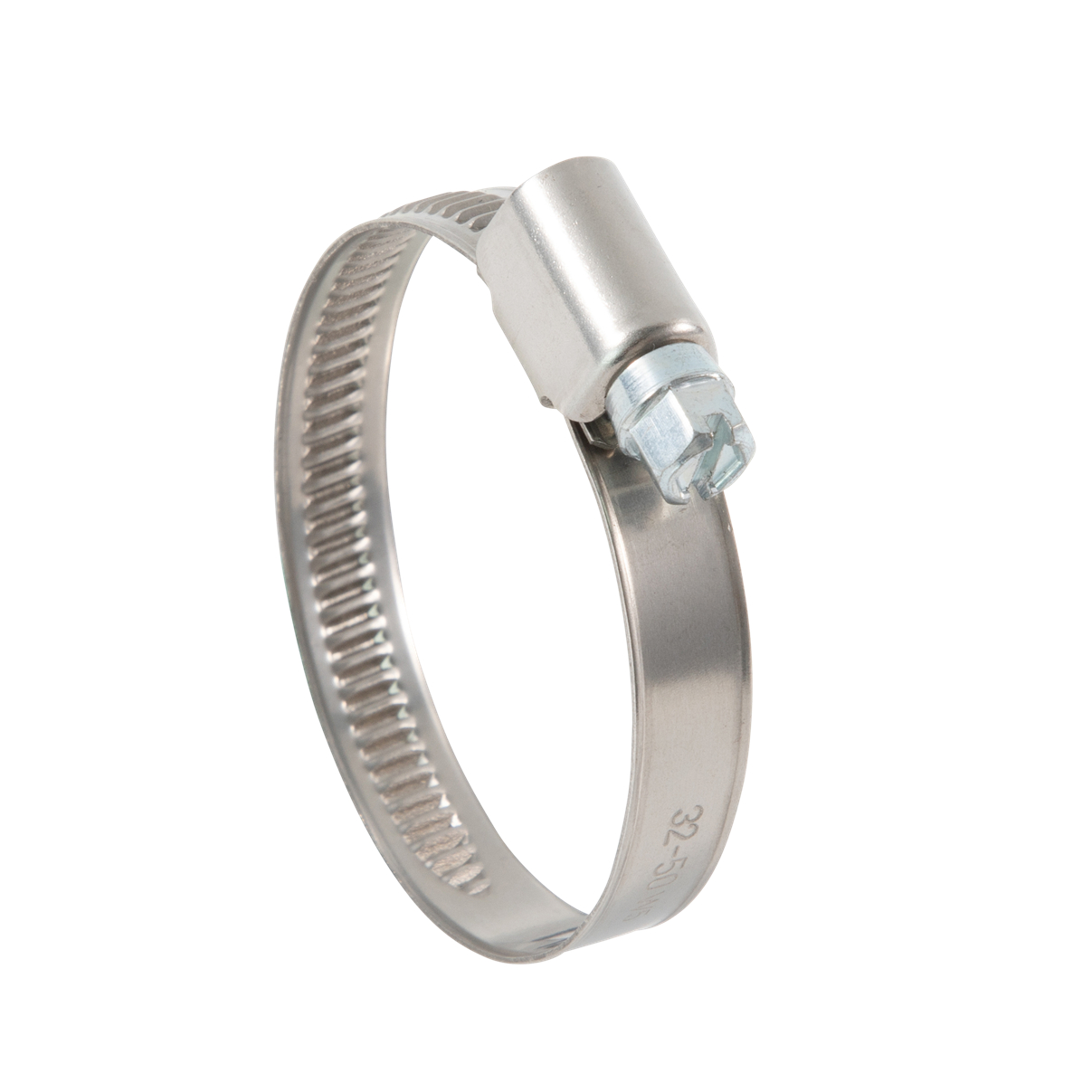
German style hose clamps usually use a non-perforated band. The inner contact surface is relatively smooth, and the clamping force is more evenly distributed. They are suitable for automotive hoses, coolant hoses, pool pump hoses, machinery, plumbing, drainage, and ventilation connections. For rubber hoses or applications where surface marks should be reduced, the German structure is usually friendlier than a basic perforated American clamp.
View German Center Hose Clamp 9mm Bandwidth
American stainless steel hose clamps
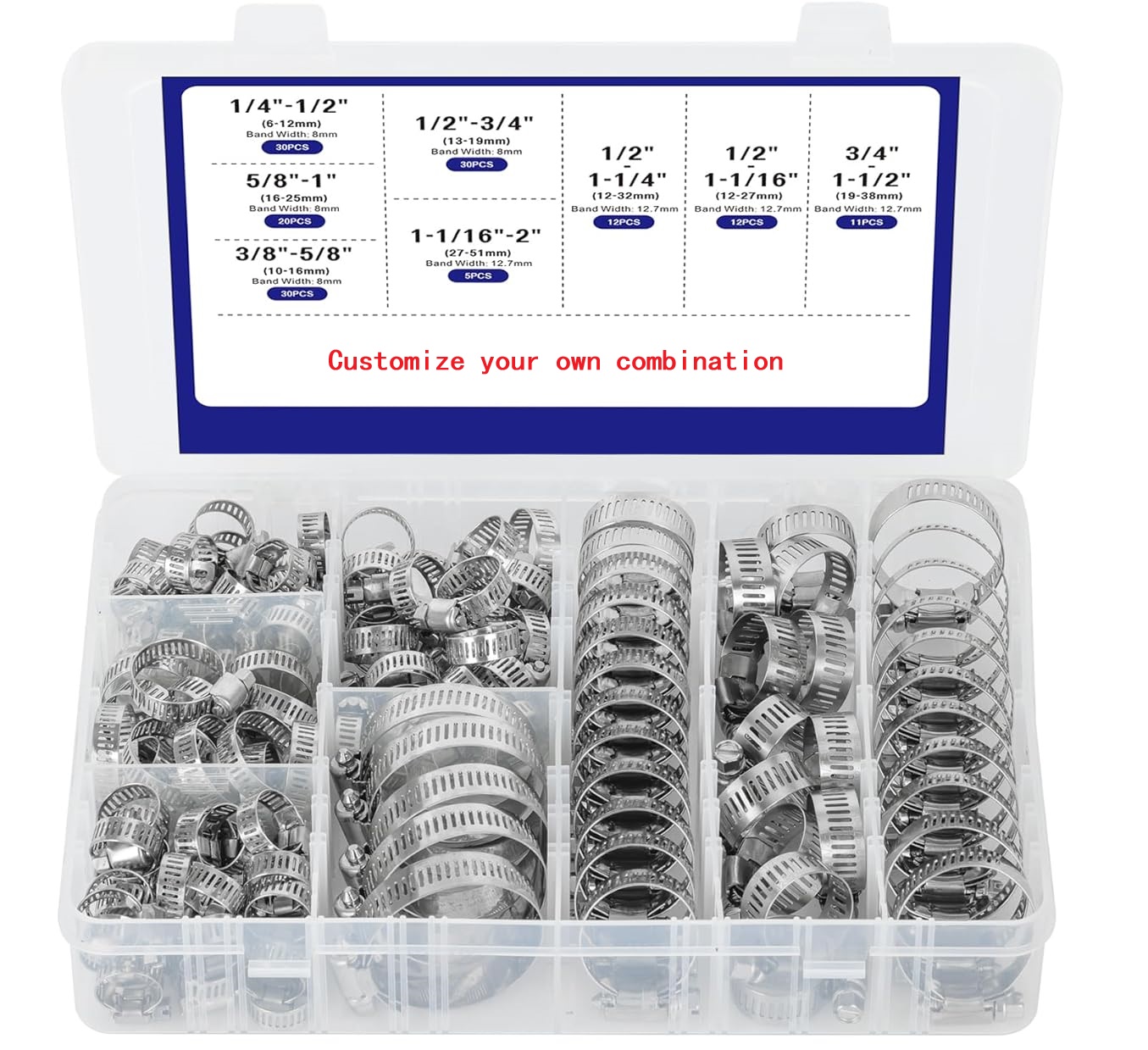
American type hose clamps are common in repair kits, hardware retail, household water pipe repair, ventilation ducts, low-pressure pipe work, and DIY applications. They provide a wide adjustment range and strong general usability, which makes them suitable for multi-size assortment packaging. For the U.S. retail market, they can be combined with common inch sizes, clear organizer boxes, and size labels.
View Custom Hose Clamp Assortment Kit
Heavy duty stainless steel hose clamps
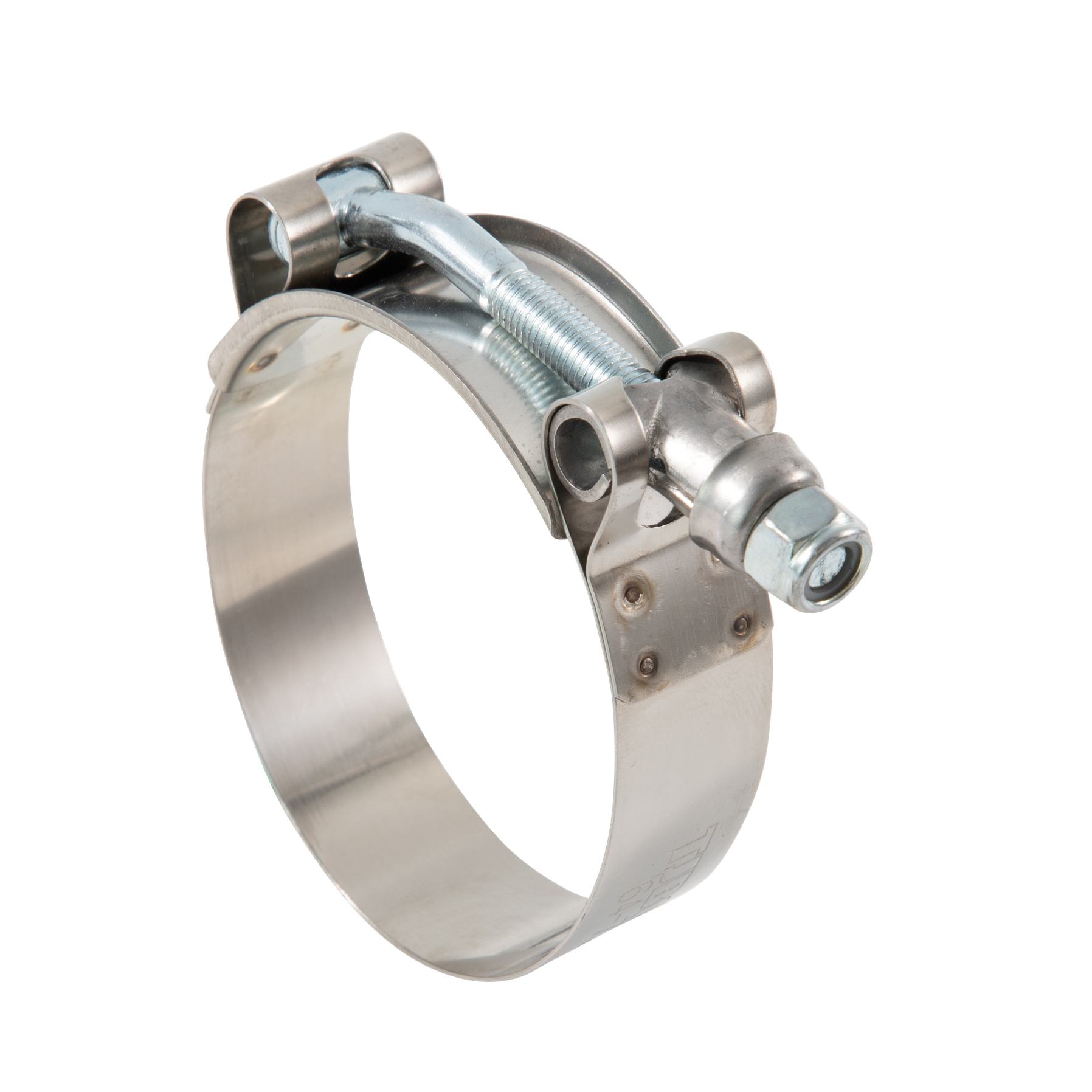
Heavy duty hose clamps are designed for larger hoses, higher tightening force, vibration, or applications that require stronger connection strength. Typical uses include construction machinery, industrial pipe work, chemical equipment, drainage lines, and large hose connections. Compared with standard worm gear clamps, heavy duty clamps are better suited for demanding fastening jobs.
View T-Bolt Heavy Duty Hose Clamp
Common application scenarios
| Application | Recommended material | Recommended type | Selection notes |
|---|---|---|---|
| Automotive coolant hose | 304 / W4 | German hose clamp, spring band clamp | Check hose outside diameter and thermal cycling |
| Pool pump and filter system | 304 / 316 | German hose clamp | Use 316 for saltwater pools or coastal environments |
| General plumbing repair | W2 / W4 | American or German hose clamp | General sizes are suitable for low-pressure repair |
| Coastal, marine, salt spray | 316 / W5 | 316 stainless steel hose clamp | Prioritize long-term corrosion resistance |
| Industrial equipment and large hoses | 304 / 316 | Heavy duty clamp, T-bolt clamp | Focus on tightening force and vibration resistance |
| Hardware retail kits | W2 / W4 | American hose clamp set | Suitable for multi-size combinations and private label packaging |
Hose clamp size selection tips
When choosing a stainless steel hose clamp size, do not rely only on the nominal hose size. A more reliable method is to install the hose onto the fitting, measure the actual outside diameter, and then choose a clamp range that covers that diameter with enough adjustment room.
If the measured diameter is very close to the minimum or maximum end of the clamp range, choose a better-fitting size. This helps avoid insufficient tightening range or over-tightening. For rubber hoses, silicone hoses, and plastic fittings, excessive tightening can deform the hose, crack the fitting, or damage the sealing surface.
Information to confirm before purchasing
- Material grade: W1, W2, W4, W5, or confirmed 304 / 316.
- Band width: common widths include 8mm, 9mm, 12mm, and 14mm.
- Clamping range: confirm both minimum and maximum diameter in millimeters or inches.
- Working environment: indoor, outdoor, wet, salt spray, chemical, automotive, or machinery.
- Packaging method: bulk, bag, box, assortment kit, or private label.
- Custom requirements: material, size, logo, packaging, and assortment combination.
Q&A
Q1: Are stainless steel hose clamps always better than zinc plated clamps?
Not always. W1 all-zinc-plated clamps are suitable for dry, short-term, and cost-sensitive applications. For outdoor, wet, automotive, pump, coastal, or long-term projects, stainless steel hose clamps are usually more suitable.
Q2: Which is more common, 304 or 316 stainless steel hose clamps?
304 is more common and works for most outdoor, automotive, equipment, and general water pipe applications. 316 is better for salt spray, seawater, chemical, and highly corrosive environments.
Q3: What structure is better for soft hoses?
For soft hoses, consider German style hose clamps with smoother internal band contact or lined clamp structures. Basic perforated American clamps can leave deeper marks if over-tightened.
Q4: Can stainless steel hose clamps be supplied as an assortment kit?
Yes. Demeite can configure sizes, quantities, and packaging by customer market, including U.S. repair kits, automotive hose clamp kits, hardware retail boxes, and private label packaging.